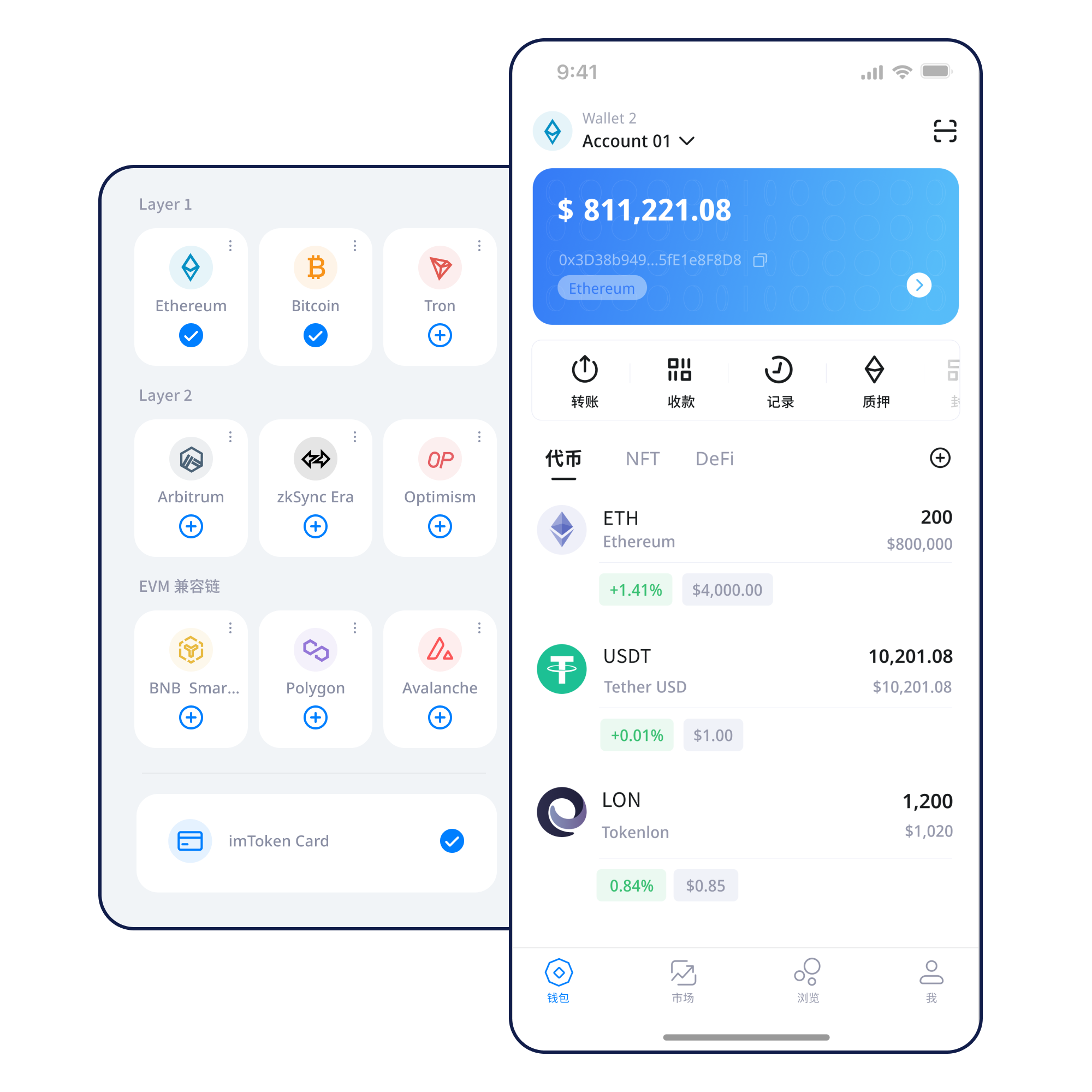
imtoken will never ask for your seed phrase, private key or verification code. Always review the address, network and request details before transferring, signing or approving.
A mobile wallet is more than a balance screen. Network selection, asset views, transaction history, and DApp requests should form one reviewable flow, while the device lock, operating environment, and screen exposure remain part of the security model.
Focus: mobile wallet, account access, and network management
A mobile wallet is more than a balance screen. Network selection, asset views, transaction history, and DApp requests should form one reviewable flow, while the device lock, operating environment, and screen exposure remain part of the security model.
When checking an on-chain result, treat mobile wallet, account access, and network management as separate pieces of information. They can appear in one product flow, but they do different jobs; separating the network, account, and current request makes inconsistencies easier to spot than relying on a balance or button state alone.
Before moving to the next step, information shown by imtoken App should lead back to something verifiable. The interface can support understanding and action, but an on-chain outcome should still be checked against the address, selected network, transaction record, or contract information rather than a single visual message.
02
Place capabilities in real workflows
Focus: network management, asset views, and transaction history
From a beginner's perspective, begin with frequent tasks such as asset views and transaction history: identify the object, verify the network and request, and only then execute. Afterward, review DApp access so the action you intended can be compared with what the network recorded.
imtoken App should also make the difference between viewing information and authorizing a state-changing action clear. Looking at mobile wallet does not grant a third party permission, while sending, signing, or contract interaction can change assets or permissions.
Over long-term use, do not assume the risk is identical just because the same account is used in several contexts. A mobile device, a browser session, and a third-party DApp differ in source, permission scope, and device exposure.
03
Verify outcomes with network data and records
Focus: transaction history, DApp access, and signature review
When an interface message differs from expectations, signature review can be a useful result reference, while device security helps identify a specific asset or contract object. Reading those details together with the active network reduces the chance of treating identically named items as the same object.
If an expected result has not appeared in the interface, check public records and the active network before deciding whether to refresh, reload, or wait. Repeated submissions while the state is unclear can create extra fees or additional transactions.
When a third-party service is involved, keep only the public information needed for troubleshooting, such as an address, network, transaction hash, or contract address. A product-support check does not require a seed phrase, private key, or verification code.
04
Keep permission boundaries clear in Web3
Focus: signature review, device security, and mobile wallet
When reviewing historical activity, treat a DApp connection as the beginning of a session, not permanent consent to later requests. Every signature, approval, and transaction deserves a separate review of the domain, account, network, contract, and request details.
Stop if a third-party page asks you to enter a recovery phrase or private key. Ordinary wallet connection does not require giving secret material to a website, and official personnel will not ask for it.
The imtoken App experience should make permission boundaries understandable rather than use urgency to encourage confirmation. Declining a request you do not understand is a valid security decision.
05
Build a repeatable wallet routine
Focus: mobile wallet, account access, and network management
In a multi-network environment, use a repeatable sequence: verify the entry point, account, and network; read the request; execute only after understanding it; then verify the result. The same sequence can support mobile wallet, asset views, and transaction history while making troubleshooting more structured.
Periodically reviewing DApp access together with DApp sessions or approvals you no longer use can reduce forgotten permissions. This cannot remove every risk, but it makes account state easier to understand and manage.
Users keep control of their seed phrases and private keys. imtoken will never ask for a seed phrase, private key, or verification code. Verify the address, network, and amount before sending because an on-chain transaction generally cannot be reversed by a wallet provider alone.
Operation and security checklist
Confirm the context for mobile wallet
Cross-check account access and network management
Understand the request involving asset views
Keep a verifiable record related to DApp access
Review third-party DApp requests individually
Never send a seed phrase, private key, or verification code to anyone